DNA: The Whimsical Star of My Craft Fair Booth
As an experienced embroidery designer who spends weekends navigating the chaos of craft fairs and handmade markets, I know that a single design can make or break a booth. You are not just selling fabric; you are selling a moment of connection, a touch of whimsy, and the promise of a unique handmade product. Recently, I received the DNA machine embroidery design to review for my upcoming weekend market display. After spending hours in my studio testing stitches and visualizing end products, I am ready to share exactly how this embroidery file performs when it comes time to sell.
First Impressions: A Bold Statement on Fabric
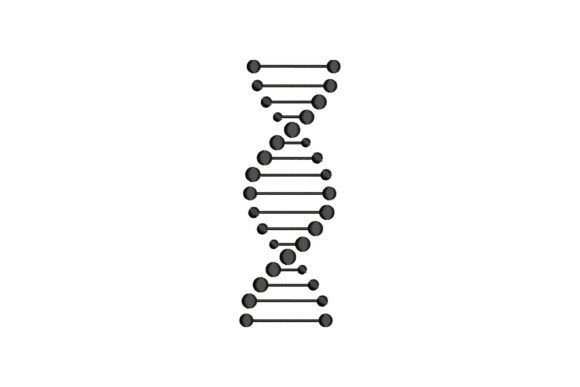
The title "DNA" immediately suggests science, biology, or perhaps a clever play on words about family heritage. However, the description promises something different entirely: a "touch of whimsy charm." This contrast is exactly what makes DNA such a compelling choice for an Etsy seller or boutique maker. It does not feel clinical or cold. Instead, it feels playful, modern, and slightly quirky. In a sea of traditional floral patterns and farmhouse-style script, DNA stands out as a design asset that appeals to the creative entrepreneur looking for something fresh.
When I first loaded the design into my hoop, the aesthetic was clear. It strikes a balance between minimal and decorative. It is not overly ornate, which means it will photograph beautifully for online listings, but it has enough character to catch the eye of a passerby at a crowded craft fair. It fits perfectly into categories like School projects or educational gifts, yet its versatility allows it to transcend those boundaries and become a trendy accent on everyday items.
Where DNA Shines: Product Selection for Maximum Sales
At a craft fair, your table display is your storefront. Every item must work hard to grab attention. I have evaluated DNA across several key product types to determine where it offers the best return on investment for a small business owner.
- Tote Bag Design: This is the ultimate canvas for DNA. A tote bag is large enough to showcase the full charm of the design without feeling cramped. When customers see a sturdy canvas tote with this whimsical motif, they instantly visualize it carrying books, groceries, or art supplies. It elevates a basic small shop product into a statement piece.
- Apron Embroidery: For the chef or gardener in the crowd, an apron featuring DNA adds a layer of personality. It transforms a functional kitchen tool into a conversation starter. The design works well as a central focal point or a subtle pocket accent.
- Tea Towel Embroidery: Kitchen textiles are high-volume sellers at markets. DNA brings a modern twist to the classic tea towel. It pairs exceptionally well with bold thread colors, making the white cotton pop against the pattern.
- Embroidered Patch: If you want to offer lower-priced impulse buys, converting DNA into an iron-on patch is a smart move. Patches allow customers to add their own custom flair to jackets or hats, expanding the utility of the design.
- Caps and Pillow Covers: While caps present a challenge due to curvature, DNA's likely moderate size makes it manageable on a structured cap front. On pillow covers, it acts as a sophisticated home decor element that feels premium and intentional.
In a booth setting, these items create a cohesive collection. A customer might come for a tote bag but leave with a matching set of tea towels and a patch. The versatility of DNA ensures that your commercial embroidery line remains diverse yet unified.
Production Realities: What the Designer Needs to Know
Making a design look good on a screen is one thing; producing it consistently on the factory floor (or your home studio) is another. Before turning DNA into a finished product for sale, there are critical technical steps every crafter must take.
- Stitch Density and Detail: Designs with text or complex geometric shapes often suffer from stitch density issues if the file is too dense. You must inspect the design closely to ensure that tiny details do not merge together, especially if you plan to stitch it on smaller items like pouches or patches. If the lettering is too small, it may lose clarity.
- Fabric Texture Considerations: The description mentions towels and t-shirts. These fabrics have different textures. A textured towel might hide fine details, while a smooth t-shirt will show every stitch. Always test on scrap fabric that matches your final product material to gauge how the thread colors interact with the weave.
- Hoop Size and Spacing: Confirm your hoop size before starting production. If the design is intended for a specific area, ensure your stabilizer choice supports the weight of the stitching without causing puckering. Using the wrong stabilizer can ruin the drape of a tote bag design.
- Color Contrast: For dark fabric, you will need underlay stitches or a specific thread palette to ensure DNA pops. Lighter threads on dark backgrounds require careful planning to maintain the whimsical vibe without the design getting lost in the shadows.
Selling Strategy: From Mockup to Marketplace
For digital sellers and printable mockup creators, DNA is a goldmine. Because the design is described as having "whimsy charm," it translates well into digital assets. You can create listings that show the design on various backgrounds, demonstrating its adaptability to different styles—from rustic to modern.
When displaying finished goods at a market, lighting is everything. Ensure your booth lights highlight the texture of the embroidery. Customers want to feel the quality of the handmade product. A close-up shot of the DNA stitching on a high-quality fabric can convince a buyer that this item is worth a premium price. The design should feel repeatable for batch production; if you can quickly switch between colorways without losing the integrity of the image, you can produce inventory faster to meet demand.
Final Verdict: A Must-Have for Creative Entrepreneurs
The DNA embroidery design is more than just a graphic; it is a strategic tool for your business. It balances the need for uniqueness with the practicality of mass production. Whether you are creating a limited run of gifted handmade items for a holiday market or building a year-round inventory for your Etsy shop, this design offers the flexibility to succeed.
However, success lies in preparation. Do not skip the step of checking the commercial licensing terms before selling your finished product. Verify the exact specifications of the digital embroidery file, including recommended hoop sizes and thread counts, to avoid costly mistakes. By treating DNA with the care it deserves—testing, refining, and presenting it with pride—you will find that it becomes a standout favorite among your customers.
Ultimately, DNA proves that even a simple concept can become a powerful brand identifier when executed with skill and creativity. It is a design that invites curiosity, sparks conversation, and adds a distinct touch of whimsy to any fabric project. For the savvy craft fair seller, it is a winning combination of style and substance.