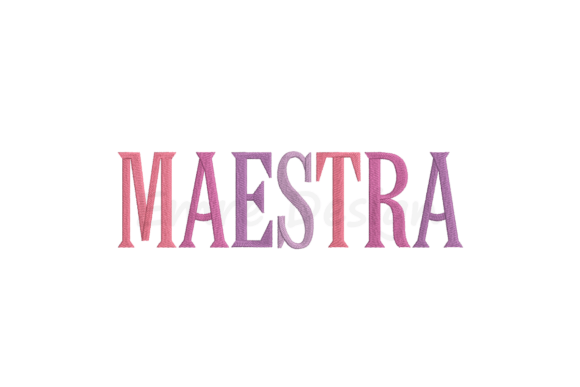
Maestra Embroidery Design Review
As an embroidery designer who has spent years digitizing files and testing stitches on everything from heavy denim to delicate silk, I approach every new machine embroidery design with a mix of excitement and skepticism. When it comes to small business merch, the difference between a charming accent and a failed product often lies in the details of the file itself. Today, I am reviewing the Maestra Embroidery Design, a file described as bringing a "fun and whimsical touch" to fabrics. This review focuses strictly on its viability for commercial applications, including branded patches, staff uniforms, caps, tote bags, and handmade product labels.
First Impressions: Personality and Visual Impact
The description of the Maestra Embroidery Design highlights its charm and whimsy. In the world of digital embroidery, these adjectives are crucial because they dictate how the design will translate from screen to fabric. A design that feels "charming" usually implies soft curves, balanced negative space, and a lack of aggressive geometric rigidity. For small business owners—whether you run a boutique bakery, a creative studio, or a local florist—this personality is gold.
From a professional standpoint, the first thing I look for is clarity. Does the design have enough visual weight to stand out, or does it get lost in the texture of the fabric? The Maestra design appears to strike a balance between playful and polished. It avoids looking overly childish while still maintaining that handcrafted appeal that customers love. This makes it an excellent candidate for brands that want to project warmth and approachability. Whether you are creating custom apparel for your team or adding a logo to customer gift boxes, the whimsical nature of this design helps humanize your brand identity.
Real-World Business Applications
Let’s move beyond the screen and talk about where this embroidery file actually lives in a retail environment. Based on its characteristics, here is how the Maestra design performs in key merchandise categories:
- Embroidered Patches: One of the most versatile uses for this design is as a sew-on or iron-on patch. Because of its whimsical shape, it works beautifully as a chest logo on denim jackets or as a decorative element on canvas totes. The design likely holds up well when stabilized correctly, providing a premium feel that elevates the perceived value of the item.
- Staff Uniforms and Aprons: For cafes, bakeries, or craft shops, uniform branding is essential for trust and recognition. The Maestra design offers a friendly face for your employees. Unlike stark corporate logos, a whimsical design suggests a welcoming atmosphere. It is ideal for apron embroidery, where it can be placed on the bib or near the pocket area, serving as a subtle but effective brand marker.
- Caps and Hats: Cap embroidery requires precision. If the Maestra design is compact enough, it can serve as a front-center logo on baseball caps or beanies. However, curved surfaces can distort fine details. You must ensure the design has sufficient density to prevent puckering on the structured front panel of a cap.
- Tote Bags and Product Packaging: Canvas tote bags are a staple for Etsy sellers and craft fair vendors. A whimsical design adds personality to these reusable items, encouraging customers to carry your brand around town. Similarly, using this design as a printed mockup or actual embroidery on product packaging accents can create a cohesive unboxing experience that delights buyers.
- Custom Apparel Accents: Beyond full logos, this design works well as a sleeve detail or a back-neck label substitute. It adds a "handmade" touch to mass-produced garments, helping your custom apparel line stand out in a crowded marketplace.
Strategic Considerations and Potential Pitfalls
While the Maestra Embroidery Design shows great promise, no digitized file is perfect for every application. As a designer, I urge you to be cautious in the following scenarios:
Small Patch Sizes: If you plan to scale this design down to less than 2 inches, you may lose critical details. Whimsical designs often rely on fine lines and intricate shapes. At very small sizes, these elements can merge into a blob, losing the charm entirely. Always test at your intended final size.
High Stitch Density and Dark Fabrics: If the design features dense satin stitches, it may become stiff or bulky, especially on lightweight fabrics like thin cotton tees or sheer linens. Additionally, if you are embroidering on dark uniforms, ensure there is adequate underlay and thread coverage so the dark fabric doesn’t show through the white or light threads. This is crucial for maintaining a professional finish.
Textured Surfaces: Embroidering on highly textured fabrics, such as heavy tweed or bouclé, can hide the definition of the design. The Maestra design might look best on smooth cottons, poly-cotton blends, or stable canvas materials where the stitches can lay flat and clear.
Frequent Washing: For items like aprons or work shirts that undergo frequent laundering, stitch stability is key. Ensure the file includes proper stabilizer recommendations to prevent distortion over time. Poorly stabilized designs will warp after just a few wash cycles, damaging your brand reputation.
Impact on Brand Identity and Customer Trust
In the competitive landscape of commercial embroidery, visual consistency builds trust. Customers associate high-quality embroidery with quality products. A well-executed Maestra Embroidery Design signals attention to detail. When a customer sees a crisp, clean, and charming embroidered logo on a tote bag or cap, it subconsciously tells them that your business cares about the finishing touches.
This design also enhances buyer engagement. Whimsical and friendly visuals tend to perform better on social media platforms like Instagram and Pinterest, where aesthetics drive sales. By using a design that evokes positive emotions, you increase the likelihood of customers sharing their purchases online, effectively turning your merchandise into free marketing for your brand identity.
Practical Designer Notes for Production
Before you commit to bulk production, follow these essential steps to ensure the success of your project:
- Test in Black and White: View the digital embroidery file in monochrome to check contrast and spacing. This helps identify any areas that might be too cramped or too sparse.
- Check Hoop Size and Stability: Confirm the recommended hoop size. Trying to fit a large design into a small hoop can lead to clipping or distortion. Also, select the appropriate stabilizer (cut-away vs. tear-away) based on your fabric type.
- Thread Color Contrast: Choose thread colors that pop against your target fabric. High contrast ensures the design remains legible and vibrant. Experiment with metallic or specialty threads only if they add value without compromising durability.
- Create a Printable Mockup: Before stitching, generate a printable mockup on the actual garment color. This allows you to visualize the final product and make adjustments before cutting into expensive materials.
- Verify Commercial Licensing: Most importantly, confirm that you have the correct commercial license to use the Maestra Embroidery Design for resale purposes. Using a design without proper rights can lead to legal issues and financial penalties.
- Compare Against Other Assets: Place the Maestra design beside your other design assets to ensure visual harmony. It should complement, not clash with, your existing brand elements.
The Maestra Embroidery Design offers a compelling option for small businesses looking to add a touch of personality to their merchandise. Its whimsical nature makes it suitable for a wide range of applications, from tote bag design to staff uniforms. However, success depends on careful execution, proper testing, and strategic placement. By treating this file with the same rigor as any high-end corporate logo, you can leverage its charm to boost your finished product value and connect more deeply with your audience.