Read a Book Embroidery Design Review
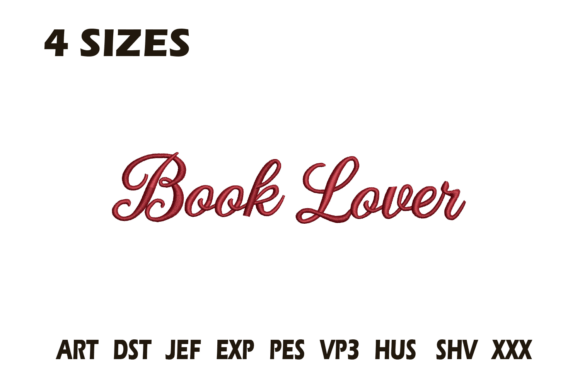
In the competitive world of small business merchandise and branded apparel, every design decision carries weight. As an experienced embroidery designer who has reviewed thousands of digital files for everything from boutique clothing lines to corporate uniform programs, I look beyond just aesthetics. I evaluate functionality, brand alignment, and production viability. Today, I am reviewing the Read a Book machine embroidery design. With a description promising to "enhance your fabrics with a dash of charm" and add a "playful and whimsical touch," this file positions itself squarely in the realm of creative lifestyle branding. But does it hold up under the scrutiny of commercial production?
First Impressions: Playful Charm Meets Professional Potential
The title Read a Book immediately suggests a connection to literacy, education, libraries, or cozy lifestyle brands. The accompanying description highlights its suitability for t-shirts, towels, and home decor, indicating a versatile visual style that is likely friendly rather than strictly corporate. From a design perspective, this feels like a piece intended to evoke warmth and approachability.
For small business owners, especially those in the School category or those creating Embroidery assets for educational institutions, this design offers a soft entry point into branded goods. It doesn’t scream loud authority; instead, it whispers invitation. This makes it ideal for businesses that want to appear accessible and community-focused. Whether you are running a local bookstore, a children’s tutoring center, or a handmade stationery shop, the "whimsical" nature described in the product details suggests a design that will resonate emotionally with customers who value creativity and learning.
Real-World Business Applications
When evaluating an embroidery file for commercial use, we must ask: where does this design live in the customer’s journey? Here is how Read a Book performs across various high-value merchandise categories:
- Embellished Patches: One of the strongest use cases for this design is as an embroidered patch. Small businesses often use patches to denote staff roles or to create collectible items for loyal customers. A "Read a Book" patch can be sewn onto denim jackets, canvas tote bags, or backpacks, serving as a badge of identity for the wearer.
- Staff Uniforms and Aprons: For café owners or bakery operators who also sell books or host literary events, this design adds a personal touch to apron embroidery. Placing it on the chest pocket or the back yoke signals to customers that the staff shares their interests, fostering a sense of shared community.
- Caps and Headwear: Cap embroidery is a staple in merch creation. If the design features clean lines and moderate detail, it works exceptionally well on the front panel of baseball caps or structured bucket hats. It appeals to the demographic that values both fashion and function.
- Tote Bag Designs: The tote bag design market is saturated, but quality stands out. A whimsical, charming design like this can differentiate a handmade brand’s offerings. It transforms a simple canvas bag into a statement piece that promotes reading culture while advertising the brand.
- Product Packaging Accents: Beyond apparel, consider using this design on gift tags, hang tags, or even directly embroidered onto fabric gift boxes. This elevates the unboxing experience, making the handmade product feel premium and thoughtful.
Strategic Brand Identity and Customer Trust
Using Read a Book in your small business merch lineup does more than just decorate fabric; it communicates values. In an era where consumers increasingly support brands with clear identities, this design reinforces themes of knowledge, relaxation, and creativity. When a customer sees this motif on a custom apparel item, they subconsciously associate your brand with these positive traits.
This visual consistency builds trust. If your brand promises a cozy, intellectual, or creative experience, the embroidery must reflect that. A poorly executed or tonally mismatched design can break that spell. However, when executed correctly, a playful yet professional design enhances brand identity, making your products memorable. It encourages buyer engagement by giving customers a reason to wear your brand—they aren’t just wearing a logo; they are wearing a sentiment they agree with.
Risks and Areas for Caution
While the potential is high, not every application is suitable. As a designer, I advise caution in the following scenarios:
- Small Patch Sizes: If the design contains intricate lettering or fine details, scaling it down too small for a tiny patch may result in a muddy, indistinct image. Always test at the final production size.
- Curved Surfaces: Applying designs to curved surfaces like cap fronts or rounded bottle holders requires precise digitizing. If the stitch density is too high, the fabric may pucker, distorting the text.
- High Stitch Density: Designs with dense fills can become stiff and uncomfortable on garments. Ensure the thread colors and fill patterns are optimized for breathability if used on t-shirts or lightweight fabrics.
- Dark Uniforms: Contrast is key. On dark fabrics, ensure the thread colors chosen provide sufficient visibility. A light-colored whimsical design might get lost on navy or black unless properly outlined.
- Frequent Washing: For items like aprons or work shirts that undergo frequent laundering, verify the durability of the stitch pattern. Loose threads or poor anchoring can lead to fraying over time.
Practical Notes for Embroidery Professionals
Before integrating Read a Book into your production workflow, follow these essential steps to ensure a flawless finished product:
- Test in Black and White: Convert the design to monochrome first. This helps you assess the balance of negative space and the legibility of any text without the distraction of color.
- Check Small Scale Legibility: Zoom out to 50% or 75% scale. Can you still read "Read a Book"? If not, simplify or adjust the digitizing before ordering materials.
- Review Thread Color Contrast: Select thread colors that pop against your target fabric. Use a physical swatch to check the interaction between the fiber texture and the thread colors.
- Inspect Spacing and Hoop Size: Confirm that the design fits comfortably within standard hoop sizes to avoid unnecessary trimming or re-hooping, which increases labor costs.
- Test on Real Fabric: Never trust a digital preview alone. Run a sample on the actual fabric you plan to sell. Different fabrics react differently to stabilizer types and needle penetration.
- Create a Printable Mockup: Before mass production, generate a high-quality printable mockup for client approval or marketing purposes. This allows you to visualize the design assets in a real-world context.
- Confirm Commercial Licensing: Most importantly, verify the licensing terms of the digital embroidery file. Ensure you have the right to use it for commercial embroidery projects, including selling finished goods.
Final Verdict
The Read a Book machine embroidery design is a strong candidate for businesses looking to infuse their merchandise with personality and purpose. Its playful and whimsical nature makes it particularly effective for handmade product lines, educational brands, and lifestyle boutiques. By carefully considering placement, fabric choice, and production quality, you can leverage this design to enhance customer recognition and elevate your brand’s perceived value. Just remember to prioritize testing and proper setup to ensure that the charm translates seamlessly from screen to stitch.