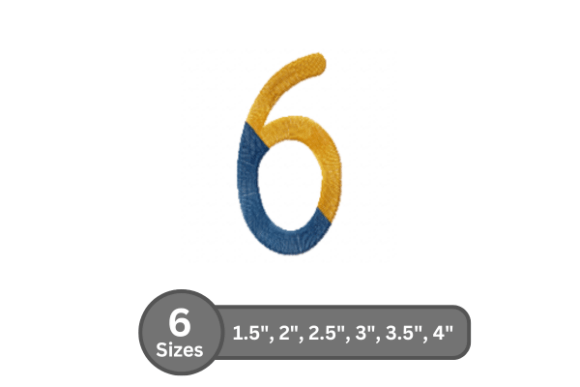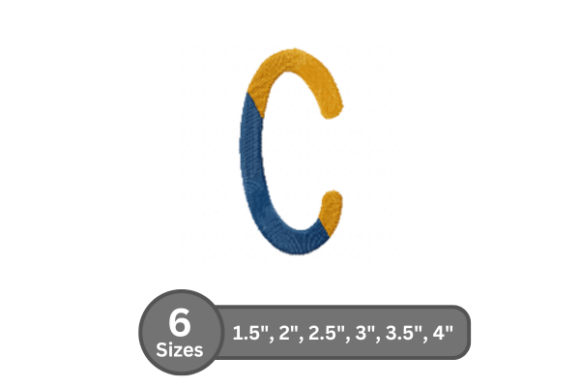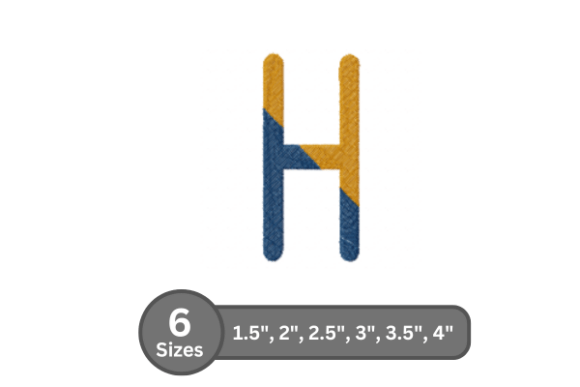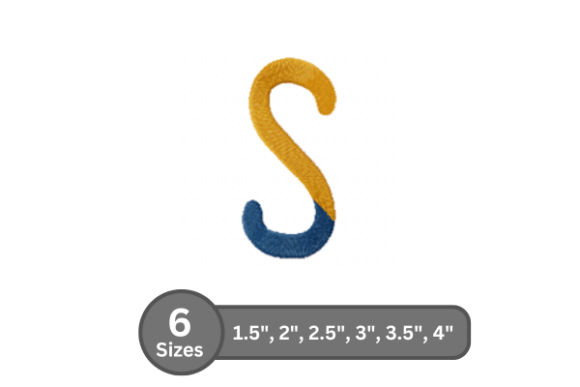
Reviewing Bookish Embroidery Design for Personalized Gifts
As an embroidery designer who spends hours testing stitches and evaluating fabric interactions, I approach every new machine embroidery design with a mix of curiosity and caution. When I first pulled up the Bookish Embroidery Design, my initial reaction was one of quiet delight. It isn’t just another clipart-style file; it carries a distinct mood that feels both whimsical and grounded. For those of us in the handmade industry—whether you run a bustling Etsy shop, manage a local boutique, or create custom gifts for friends—understanding the emotional weight of a design is just as important as its technical specifications.
This review is based on practical planning for a personalized gift shop. I am looking at this design not just as a digital asset, but as a potential finished product that will sit on a shelf or arrive in a customer’s mailbox. Here is how the Bookish Embroidery Design performs when translated from screen to fabric, and where it shines in the world of personalized gifts.
The First Impression: Mood and Charm
The Bookish Embroidery Design immediately communicates a sense of warmth and intellectual charm. The aesthetic leans toward the sweet and classic, making it versatile enough for various demographics. It doesn’t scream for attention with loud colors or chaotic shapes; instead, it offers a whimsical touch that invites closer inspection. This subtlety is crucial for high-end handmade products. Customers today are looking for items that feel curated and thoughtful.
In terms of detail level, the design strikes a balance. It is intricate enough to showcase the quality of your stitching but not so complex that it risks becoming muddy on certain fabrics. The emotional appeal is strong—it evokes nostalgia, love for reading, and the comfort of home. This makes it an excellent candidate for family keepsakes or nursery decor. It feels modern yet timeless, avoiding fleeting trends that might date your inventory quickly.
Ideal Applications for Personalized Products
One of the most valuable aspects of this design is its adaptability. In my experience, the best-selling items in a small shop are those that can be easily adapted to different product types without losing their impact. The Bookish Embroidery Design fits seamlessly into several key categories:
- Baby Embroidery: A soft blanket embroidered with this design becomes an instant heirloom. Parents love items that celebrate literacy and calm. The gentle nature of the design works beautifully on muslin or cotton blends.
- Wedding Gifts: Consider a set of monogrammed kitchen towels or a pillow cover for the newlyweds’ first home. The bookish theme suggests a shared interest in stories and quiet evenings, adding a layer of meaning to the wedding gift.
- Custom Tote Bags: For the daily commuter or the student, a sturdy canvas tote featuring this design is both functional and stylish. It appeals to teachers, librarians, and anyone who identifies as a reader.
- Nursery Decor: Beyond blankets, this design can be applied to wall hangings or crib sheets (using appropriate safety standards). It creates a cozy atmosphere that parents find inviting.
- Aprons and Kitchen Towels: An embroidered towel with this motif adds personality to any kitchen. It is a perfect housewarming present, bridging the gap between utility and art.
For Etsy sellers and digital product sellers, offering mockups of these applications is essential. Visualizing the design on a real-world item helps buyers understand the scale and texture, increasing conversion rates.
Where Caution Is Required
While the Bookish Embroidery Design is charming, no design is universally perfect. As a professional, I must highlight areas where this file requires careful handling to ensure customer satisfaction. Poor execution can lead to returns or negative reviews, which hurt even the most established brands.
First, avoid placing this design on highly textured fabrics like heavy terry cloth unless you are using a substantial stabilizer and have tested the result. The fabric texture can obscure the finer details of the embroidery, making the design look uneven. Similarly, stretchy baby clothes require a stable knit stabilizer to prevent puckering, which can distort the delicate lines of the design.
Dark fabrics present another challenge. If the design relies on light thread colors for contrast, stitching on black or navy material may result in low visibility. Always compare light and dark fabric mockups before finalizing your production run. Additionally, be mindful of curved surfaces. While a flat tote bag is easy to hoop, a curved pillow case or a rounded hat crown may cause distortion if not stabilized correctly.
Finally, consider the end-use of the product. Items that undergo frequent washing, such as dish towels or baby bibs, need robust stitching. If the design has very fine, loose stitches, they may snag or fray over time. Always confirm that the stitch density is appropriate for the intended lifespan of the garment.
Impact on Giftability and Perceived Value
The right embroidery design can significantly elevate the perceived value of a small shop product. A well-executed custom embroidery job signals quality and care. When a customer receives a gift with the Bookish Embroidery Design stitched neatly onto a premium fabric, they perceive higher worth than if the item were printed or plain.
This design fosters an emotional connection. It tells a story. For the buyer, it is not just a towel; it is a symbol of thoughtfulness. For the seller, it builds trust. Consistent quality in your commercial embroidery work leads to repeat customers and positive word-of-mouth. Furthermore, the aesthetic of this design lends itself well to product photography. It photographs beautifully against neutral backgrounds, allowing the craftsmanship to shine in your online listings.
Practical Embroidery Notes for Success
To ensure your finished products meet professional standards, follow these practical steps before committing to bulk production:
- Test on Scrap Fabric: Never assume a design will work perfectly on your chosen material. Stitch it out on scraps first to check tension and stability.
- Check Thread Color Contrast: Select thread colors that pop against your fabric. Neutral threads often blend too much, while bold colors might clash. Experiment with metallics or variegated threads for added flair.
- Confirm Hoop Size: Ensure your machine’s hoop size accommodates the design dimensions. If the design is large, you may need to reposition it during stitching, which can leave visible marks.
- Review Stitch Density: High density can make fabric stiff, while low density may show the backing material. Adjust settings if necessary to achieve a balanced finish.
- Use Proper Stabilizer: The choice of stabilizer (cut-away, tear-away, or wash-away) depends on the fabric. For knits, use cut-away; for wovens, tear-away may suffice.
- Inspect Small Details: After stitching, zoom in on the smallest elements. Are they clear? Did they merge together? If details are lost, consider simplifying the design or changing the placement.
- Verify Commercial Licensing: Before selling finished products, double-check the license terms for this digital embroidery file. Some designers restrict commercial use or require specific attribution.
By taking these precautions, you protect your reputation and ensure that every finished product leaves your studio ready to impress. The Bookish Embroidery Design is a wonderful addition to any library, offering a blend of charm and versatility that resonates with a wide audience. Whether you are creating a one-off custom order or building a line of School-themed merchandise, this design provides a solid foundation for creative expression. Remember, the magic lies not just in the file, but in the care you take in bringing it to life.