Senior 2026 Applique Embroidery Design Review
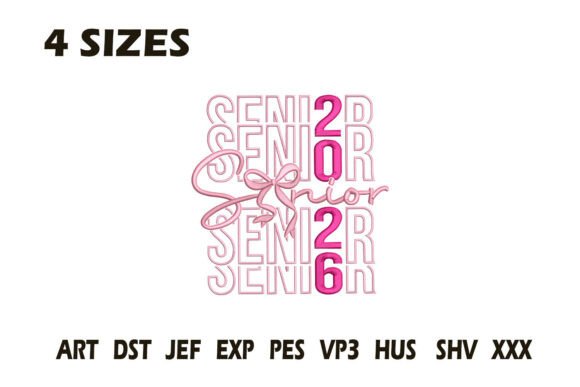
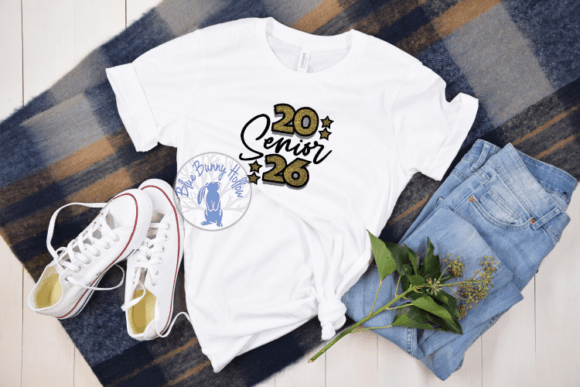
As a designer who spends half my life troubleshooting stitch errors and the other half obsessing over how a finished product feels in a customer’s hands, I don’t just look at an embroidery file—I look at its potential. When I first pulled up Senior 2026 Applique Embroidery Design, my immediate reaction was one of nostalgic clarity. It isn’t just another generic year design; it has a specific personality that screams "celebration." The concept is straightforward but executed with enough flair to make it stand out in a crowded market of graduation merchandise. We are talking about a design that combines flowing script with structured numerals, accented by stars, all set against the promise of glitter heat transfer vinyl applique. This combination suggests a tactile experience that goes beyond standard thread work, offering a premium feel for any handmade product.
First Impressions: Mood and Visual Personality
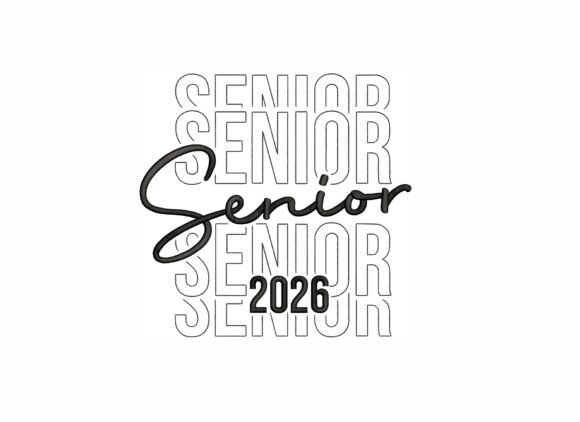
The moment you see the layout, the energy shifts. The flowing script cutting through the center provides a sense of movement and elegance, while the numbers "20" and "26" anchoring the top and bottom give it stability. This balance is crucial for a machine embroidery design intended for apparel or accessories. It doesn’t feel cluttered. For designers, this visual hierarchy is gold because it ensures readability even from a distance. The inclusion of stars adds a celebratory touch without overwhelming the text, making it versatile enough for both formal boutique items and casual craft fair finds.
What really catches the eye, however, is the mention of Glitter Heat Transfer Vinyl (HTV) applique. In the world of embroidery project planning, mixing mediums can be risky, but when done right, it elevates the perceived value of the item significantly. The contrast between the softness of embroidered thread and the crisp, reflective shine of glitter vinyl creates a dynamic surface texture. This isn’t just flat decoration; it’s an invitation to touch. For an Etsy seller or small shop product creator, this level of detail is exactly what drives impulse buys. It signals quality and effort before the buyer even reads the description.
Real-World Application: Where Does This Design Shine?
I recently imagined using this design for a custom senior gift project, specifically a heavyweight cotton sweatshirt for a high school graduate. The thought process started with the fabric choice. A thick fleece or French terry provides the perfect stable base for an applique design that includes both stitching and vinyl elements. The design fits beautifully on the left chest area for a subtle, sophisticated look, or centered across the back for a bold statement piece.
But let’s expand the scope. This embroidery file is not limited to sweatshirts. Consider a canvas tote bag. The durability of canvas pairs well with the robust nature of applique work. You could place the design prominently on the front, perhaps adding a personalized name underneath in a smaller font if the license allows. The glitter element would catch the light as the bag moves, creating a fun, interactive element for the student carrying their books. Similarly, for a baby shower or a "future senior" gift, applying this to a soft burp cloth or a small bib offers a sweet, sentimental angle. The stars add a whimsical quality that works well for baby embroidery projects, bridging the gap between early childhood and future milestones.
Another strong contender is the embroidered patch market. Many seniors love wearing patches on denim jackets or backpacks. If this design digitizes cleanly with a sturdy border, it could serve as a collectible accessory. The commercial embroidery potential here is high because it taps into a seasonal rush—graduation season—that happens every year with predictable demand. For craft business owners, having a design that works across multiple product types (apparel, bags, accessories) maximizes your return on investment for the digital asset.
Technical Considerations and Potential Pitfalls
No review is complete without addressing where things might go wrong. As experienced makers know, the devil is in the details. While the design sounds beautiful, the integration of HTV applique requires precision. If you are placing this on a curved surface like a baseball cap, the flat nature of the vinyl applique might not lay perfectly smooth unless the underlying embroidery foundation is exceptionally stable. In such cases, you must ensure the stitch density is sufficient to hold the vinyl edges down securely, preventing peeling after washing.
Fabric texture also plays a huge role. On highly textured fabrics like bouclé or loose-weave linen, the fine details of the script and stars might get lost or distort. This design performs best on medium-to-heavy weight knits or tightly woven cottons. Additionally, consider the color contrast. If you plan to use white or light silver glitter vinyl, it will pop brilliantly on dark navy or black garments. However, on lighter fabrics, you may need to adjust the background colors or add a contrasting backing to ensure the design remains legible. Always test your thread colors against your chosen fabric before committing to a full production run.
There is also the matter of hoop size limitations. While the design looks balanced, large-scale applique work can sometimes exceed standard hoop dimensions if not sized correctly. Check the bounding box of the digital embroidery file carefully. If the design is too wide for your machine’s hoop, you will need to split the work or resize it, which can alter the proportions of the script and stars. Never assume a design fits; always verify the dimensions against your equipment capabilities.
Practical Designer Notes for Execution
To ensure your final output matches the professional standard you aim for, follow these practical steps:
- Test on Scrap Fabric: Before touching your premium garment, run the entire sequence—stitching and vinyl application—on a scrap piece of the same material. This helps you gauge tension issues and vinyl adhesion.
- Check Stabilizer Choice: For applique work, especially on stretchy fabrics like jersey or sweatshirt material, a cut-away stabilizer is often necessary to prevent distortion during the hooping and stitching process. Do not skimp on stabilization.
- Review Stitch Density: Look closely at the satin stitches around the vinyl edges. They need to be dense enough to act as a barrier, holding the vinyl in place but not so dense that they cause puckering. Adjust if necessary in your embroidery software.
- Black and White Mockups: Convert your design preview to grayscale. This helps you assess the contrast and visual weight of the script versus the numbers. If the design looks muddy in black and white, it will likely lack impact in color.
- Licensing Verification: Since you intend to sell finished product items, double-check the commercial license terms. Some design assets allow personal use only, while others permit a limited number of sales. Ensure you are compliant to protect your craft business reputation.
Final Verdict
Senior 2026 Applique Embroidery Design is more than just a file; it’s a tool for creating memorable keepsakes. Its blend of elegant script, clear typography, and sparkling vinyl accents makes it a standout choice for anyone looking to add a touch of glamour to graduation season. Whether you are designing a heartfelt personalized gift for a family member or building a line of trendy custom apparel for your online store, this design offers the versatility and visual appeal needed to succeed. By paying attention to fabric choices, stabilization, and precise execution, you can transform this digital concept into a tangible product that students will cherish long after the diploma is signed. It is a smart, stylish addition to any embroidery project library.