Bookish: A Designer's Review for Boutique Sweatshirts
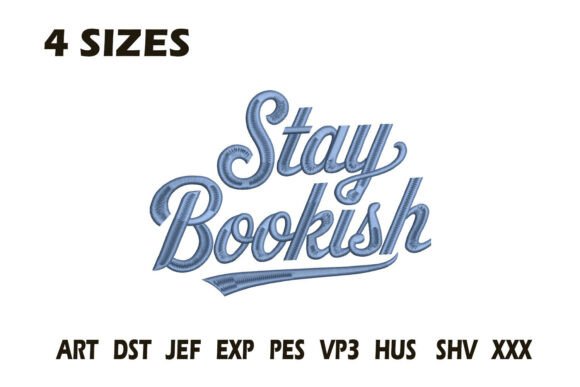
As an experienced embroidery designer, I am constantly scanning the digital marketplace for designs that can elevate a small brand from "crafty" to "commercially viable." Recently, I came across the Bookish machine embroidery design and immediately saw its potential. While the product description frames it as a playful addition for t-shirts, towels, and home decor, my eyes went straight to the hoodie section of our inventory. For a boutique brand looking to launch a limited drop, this design offers a unique blend of whimsy and charm that fits perfectly into the current trend of cozy, personality-driven apparel.
The First Impression: Mood and Personality
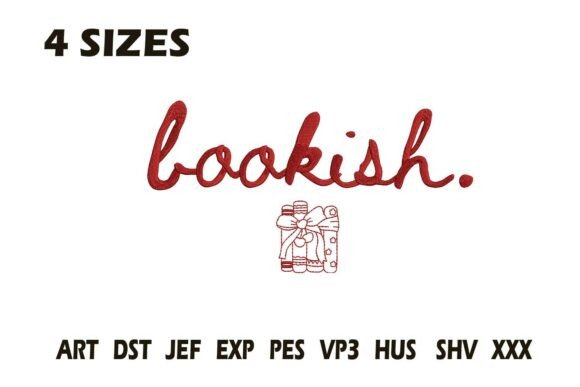
When you first open the file for Bookish, the vibe is instantly distinct. It isn't just a generic pattern; it carries a specific narrative. The description promises a "fun, whimsical touch," and in practice, this translates to a design that feels personal and inviting. In the world of custom apparel, mood is everything. A sweatshirt with a bold graphic screams attention, but a design like Bookish whispers a story. It suggests a love for reading, quiet afternoons, and a rustic yet modern aesthetic.
This design strikes a balance between cute and sophisticated. It avoids being overly childish, which makes it ideal for adult wearers who want to express their interests without sacrificing style. Whether you are targeting the School market for teacher appreciation gifts or building a lifestyle collection for creative entrepreneurs, the emotional connection this design fosters is strong. It feels premium because it relies on charm rather than size alone.
Visualizing the Design on Fabric
Before committing to production, I always run a mental simulation of how the design will translate to physical fabric. For a premium sweatshirt collection, the texture of the material plays a massive role. Imagine placing Bookish on a neutral oatmeal or heather grey crewneck. The contrast would be subtle yet elegant, perfect for a minimalist brand identity. The stitching personality here seems adaptable enough to handle different thread colors, allowing you to match the thread to the garment for a tonal look or use high-contrast colors for a pop of energy.
Now, consider the dark fabric scenario. On a midnight blue or charcoal oversized hoodie, the design needs to stand out. If the file includes bright or metallic threads, it could transform the garment into a statement piece. However, if the design relies on fine details, one must be careful with stitch density on dark fabrics to ensure the background doesn't show through. For pastel colors, such as lavender or mint, Bookish would shine, reinforcing that soft, feminine, and cozy seasonal appeal that sells so well during autumn and winter drops.
I also envision this design on sleeve accents. A smaller version of Bookish embroidered on the cuff of a long-sleeve tee or the chest pocket of a utility hoodie adds a layer of detail that customers love to discover. It turns a basic item into a bespoke experience.
Technical Considerations for Commercial Use
For any Etsy seller or small shop owner, the technical execution is where the magic happens—or fails. When evaluating Bookish for commercial embroidery, several factors come into play. First, we must look at the stitch density. Embroidery on sweatshirts requires a bit more stability than cotton tees due to the thickness of the fleece. If the design is too dense, it might feel stiff and uncomfortable against the skin, ruining the "cozy" factor. Conversely, if it is too sparse, the details may get lost on the textured fabric.
Hoop placement is another critical element. For a chest placement, the standard 4x4 or 5x7 hoop usually works, but designers need to check the hoop size requirements before starting. If the design extends beyond the hoop limits, it will require re-hooping, which can lead to misalignment—a nightmare for a professional finish. Stabilizer choice is equally vital. A cut-away stabilizer is often recommended for heavy knitwear like sweatshirts to prevent the design from puckering over time.
Washing durability is a major concern for buyers. A good embroidery file should withstand multiple wash cycles without the stitches loosening or the fabric distorting. Since the description mentions "t-shirts, towels, and home decor," the design likely has a versatile structure, but for apparel, the thread tension must be dialed in correctly. Small-size readability is also key; if you plan to offer this on kids' sizes or small accessories, ensure the details remain crisp and not muddy when scaled down.
Boosting Brand Value and Customer Trust
In the competitive landscape of handmade products, quality is your biggest asset. Using a well-executed design like Bookish directly impacts buyer trust. When a customer receives a sweatshirt with clean, precise stitching that aligns perfectly with the brand's aesthetic, they perceive higher value. This leads to better reviews, repeat business, and word-of-mouth referrals.
From a marketing perspective, this design is a goldmine for lifestyle product photography. Imagine a mockup showing a stack of books next to the sweatshirt, or a photo of someone wearing the hoodie in a cozy coffee shop. The finished product tells a visual story that resonates with the target audience. For an Etsy listing, having clear photos of the embroidery detail can significantly increase conversion rates compared to flat lay images.
The design also supports brand identity. By consistently using themes like Bookish, a boutique brand can create a recognizable signature style. Customers begin to associate that specific whimsical charm with your shop name. This visual recognition is crucial for standing out in a sea of generic print-on-demand items. It transforms a mass-produced commodity into a handmade product with soul.
Practical Tips for the Creative Entrepreneur
If you are planning to integrate Bookish into your next collection, keep these practical steps in mind. Always test a sample on the actual fabric you intend to sell before running a full batch. Check the thread color contrast to ensure the design pops without clashing. Pay close attention to the stitch density; if the design looks too heavy, consult with your digitizer to see if adjustments can be made.
Remember to verify the specific file formats and license terms provided by the creator. While the description highlights its versatility for various items, the exact specifications regarding digital embroidery file compatibility and usage rights are essential for commercial projects. Do not assume the design fits every machine or fabric type without testing. Ensure you have the right stabilizer and needle setup to handle the thickness of your sweatshirts.
Ultimately, Bookish represents more than just a pattern; it is a tool for building a community around shared interests. Whether you are decorating for a school fundraiser, creating merchandise for a local bookstore, or launching your own line of cozy apparel, this design offers the flexibility to adapt to your vision. By paying attention to the technical details and focusing on the emotional impact, you can turn a simple embroidery design into a best-selling item that your customers will cherish.