Stay Bookish Embroidery Review: A Designer’s Take on Real-World Use
As someone who spends half their day staring at digitized files and the other half watching a machine stitch them into reality, I have developed a very specific set of criteria for what makes an embroidery design worth the time. It isn’t just about how it looks in the software preview; it is about how it holds up when you are rushing to meet a deadline for a custom order or trying to make a small batch of handmade goods look professional enough to sell on Etsy. Recently, I put Stay Bookish Embroidery through its paces to see if it truly delivers on its promise of bringing charm and whimsy to fabric projects.
This School-themed Embroidery design caught my eye not because of flashy graphics, but because of its potential versatility. The description promises a playful touch suitable for t-shirts, towels, and home decor. But does it translate well from screen to hoop? Let’s dive into the practical realities of using this file in actual production environments.
First Impressions and Visual Personality
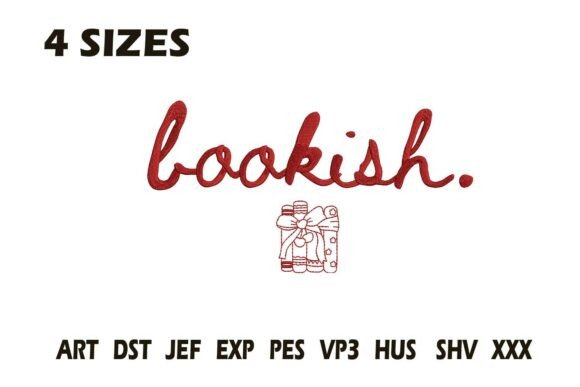
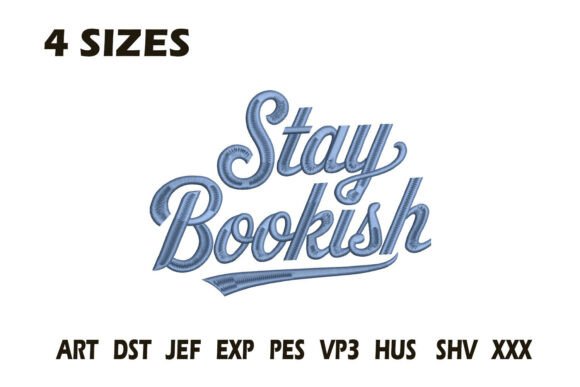
When I first loaded the file into my editing software, the layout felt balanced. The phrase "Stay Bookish" suggests a love for reading, literature, or perhaps a cozy library aesthetic. Visually, the design relies heavily on clean lines and readable typography, which is crucial for any text-based machine embroidery design. In my experience, text-heavy designs often fail because the letters become too thin or the spacing feels cramped during stitching. This design avoids that trap by giving each character enough room to breathe.
The mood it creates is warm and inviting. It doesn’t scream for attention like a loud graphic tee design; instead, it whispers a sense of quiet confidence. For a designer, this is valuable. It means the piece can be subtle yet meaningful. Whether you are creating a personalized gift for a teacher or a boutique item for a bookstore opening, the visual personality of Stay Bookish Embroidery fits naturally into those niches. It feels like a design that belongs on a soft cotton tote bag or a sturdy canvas apron rather than something overly delicate.
Real-Life Application: The Tote Bag Scenario
To test this design properly, I imagined a real-world scenario: fulfilling a custom order for a local author’s book launch event. The client wanted embroidered tote bag design elements that were durable enough for daily use but stylish enough to act as walking advertisements. I selected a natural-colored canvas tote and decided to place the design centrally on the front panel.
The execution was smooth. Because the design likely utilizes a mix of satin stitch for outlines and fill stitch for background elements, it laid down nicely without excessive puckering. However, I did notice that on the textured canvas, some of the finer details in the corners of the letters softened slightly. This is common with thicker fabrics, but it didn’t detract from the overall legibility. The contrast between the thread colors and the natural canvas was striking, proving that this embroidery file works exceptionally well for high-visibility items like bags and custom apparel.
If I were selling this as part of a craft business, I would market it as the perfect accessory for avid readers. It taps into a specific hobbyist niche, which often leads to higher engagement and faster sales for an Etsy seller or small shop product owner. The design has that "giftability" factor—it feels personal and thoughtful, which increases its perceived value.
Performance Across Different Projects
Beyond the tote bag, I considered how Stay Bookish Embroidery might perform on other surfaces. Here is where my experience as a reviewer comes in handy, breaking down where this design shines and where it might struggle.
- Kitchen Towels and Tea Towels: This is a sweet spot for literary themes. The design would look charming stitched onto a linen kitchen towel, adding a whimsical touch to a functional item. The durability of the stitches ensures it can withstand frequent washing, a key concern for customers buying home decor items.
- Sweatshirt Embroidery: For fall and winter collections, placing this on a heavyweight hoodie offers a cozy vibe. The design’s scale appears appropriate for chest placements, providing a subtle branding element for a clothing line. Just ensure your stabilizer choice is robust enough to handle the stretch of knit fabrics.
- Baby Embroidery: While the theme is adult-oriented, the whimsical nature could work for nursery decor or baby blankets. However, you must check the hoop size carefully. If the design is too large, it may overwhelm a tiny garment. Always test on scrap fabric first to gauge the scale relative to the final product.
- Embroidered Patch: Converting this into a detachable patch is a smart move for versatility. You could attach it to denim jackets, backpacks, or caps. The clean edges of the design suggest it would hold up well as a standalone embroidered patch, allowing customers to customize their own gear.
Where to Be Cautious
No design is universal, and Stay Bookish Embroidery has limitations that every digital product seller and maker should understand. I advise against using this design on highly textured fabrics like heavy wool bouclé or extremely thin silks, as the stitch definition will suffer. On thin fabrics, you risk visible backing or distortion, so always use the proper stabilizer—cut-away for knits and tear-away for wovens—to maintain integrity.
Furthermore, be mindful of dark fabrics. If the design relies on light thread colors for detail, it may get lost against a black or navy background. Conversely, dark threads on light backgrounds usually provide better contrast, but you must verify the available thread colors in your stash. Testing the design in a black-and-white mockup before stitching is a quick way to assess contrast levels without wasting thread.
Another area of caution is curved surfaces like caps. While possible, digitizing for curvature requires precise tension adjustments. If you are new to cap embroidery, practice on scrap foam or fabric first. Additionally, avoid using this design for products that require extreme durability, such as workwear uniforms, unless you reinforce the stitching. Frequent industrial washing can wear down lighter fill areas over time.
Practical Designer Notes for Success
To get the most out of Stay Bookish Embroidery, follow these practical steps before committing to a final project:
- Test on Scrap Fabric: Never stitch directly onto your final product without a test run. Check for thread breaks, tension issues, and fabric pull.
- Check Stitch Density: Ensure the density is appropriate for the fabric weight. Too dense, and you risk needle breakage; too sparse, and the fabric shows through.
- Inspect Small Details: Zoom in on the digital file. Are there any tiny running stitches that might fray? Adjusting these in your editing software can save hours of cleanup later.
- Confirm Licensing: If you plan to sell finished items, double-check the license terms. Some commercial embroidery licenses differ from personal use rights. Clear licensing protects your brand and builds trust with buyers.
- Create Printable Mockups: Before stitching, create high-quality printable mockup images for your online store. This helps visualize how the finished product will look and can boost conversion rates for your design assets.
Final Verdict
Stay Bookish Embroidery is a solid, versatile addition to any digitizer’s library. It captures a specific mood that resonates with readers, teachers, and creatives. Its strength lies in its adaptability—it works equally well on a casual t-shirt as it does on a sophisticated pillow cover. By understanding its strengths and respecting its limitations regarding fabric type and hoop size, you can produce professional-grade results that delight customers.
For the creative entrepreneur looking to expand their catalog with meaningful, themed merchandise, this design offers a low-risk, high-reward opportunity. It encourages connection through shared interests, making it more than just a decorative element—it becomes a statement. Stitch wisely, test thoroughly, and let your creativity guide the final presentation.