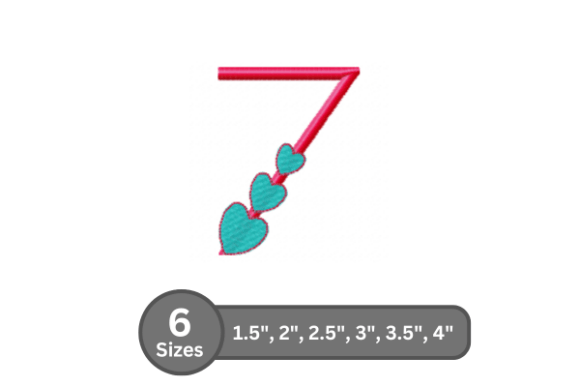
Candy Heart Number -0 Embroidery Design Review
As an experienced embroidery designer who has digitized thousands of files for everything from high-end corporate uniforms to boutique Etsy brands, I look at every new digital asset with a critical eye. When evaluating a design like Candy Heart Number -0, my primary focus is never just how it looks on a screen, but how it translates to the physical world of thread, fabric, and hoop. This review breaks down the practical application of this fill stitch font for small business merchandise, branded patches, and custom apparel.
First Impressions: Playful Yet Professional
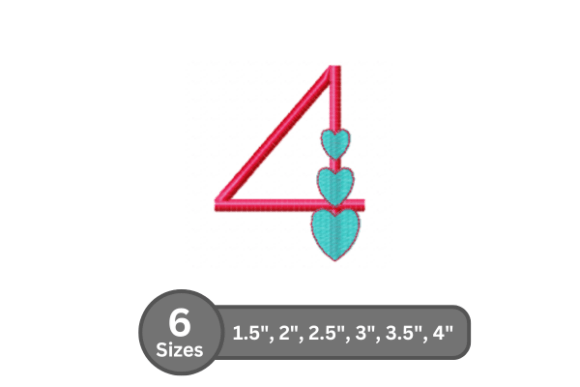
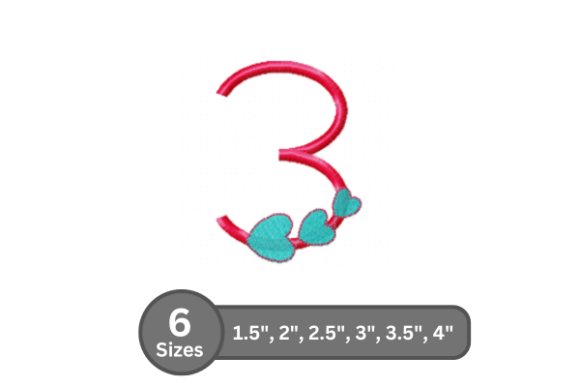
The title "Candy Heart" immediately suggests a specific aesthetic: friendly, nostalgic, and approachable. However, the addition of "Number -0" implies a functional utility that goes beyond simple decoration. From a design perspective, this font strikes a balance between being decorative and legible. It feels handmade without looking amateurish, which is a crucial distinction for brand identity.
For small business owners, particularly those in the bakery, florist, or creative studio sectors, this visual personality can be a significant asset. It signals warmth and attention to detail. Unlike rigid sans-serif fonts that can feel cold or overly corporate, Candy Heart Number -0 brings a human touch to custom apparel. It works exceptionally well for brands that want to appear accessible yet polished. The fill stitch construction ensures that the letters have weight and presence, preventing them from getting lost on textured fabrics or busy backgrounds.
Real-World Business Applications
The true test of any embroidery file is its versatility across different product types. Here is how Candy Heart Number -0 performs in common commercial scenarios:
- Embroidered Patches: This design excels as a standalone patch element. Whether used as a chest logo accent or a sleeve detail, the bold fill stitches hold up well against the wear and tear of daily use. It adds a premium feel to denim jackets or canvas totes.
- Staff Uniforms and Aprons: For café staff or boutique employees, personalization boosts team morale and customer connection. Using this number style for employee names or role indicators creates a cohesive, inviting look. The soft curves prevent the uniform from feeling too stiff or institutional.
- Tote Bag Design: Canvas bags are a staple for handmade brands. This font’s playful nature complements the casual vibe of tote bags perfectly. It serves as an excellent mark for shopping bags, making the brand instantly recognizable when customers walk through town.
- Cap Embroidery: Curved surfaces present a challenge for many designs. However, because this is a single character or short sequence, it avoids the distortion issues common with long phrases. It fits neatly on the front panel of a cap without overwhelming the wearer.
- Product Packaging Accents: Beyond clothing, consider using this design on tags attached to jewelry boxes, soap bars, or candle jars. A small embroidered tag elevates the perceived value of the item, signaling that the seller cares about the unboxing experience.
Brand Identity and Customer Trust
In the crowded marketplace of online sellers and local shops, visual consistency is key. Using a unique, well-digitized font like Candy Heart Number -0 helps establish a distinct brand identity. It moves your products away from generic templates and into the realm of bespoke goods. Customers often associate detailed, high-quality embroidery with craftsmanship and reliability. When they see a carefully stitched label or patch, it reinforces the idea that the product inside is made with care. This subtle cue can increase customer trust and justify a higher price point for handmade products.
Where to Use With Caution
While this design has strong potential, there are specific limitations every embroiderer must respect. Ignoring these can lead to costly reworks and unhappy clients.
- Small Patch Sizes: If you plan to scale this design down to less than 2 inches, legibility may suffer. Fill stitches require a minimum width to maintain their shape. Test the design at your intended final size before committing to production.
- High Stitch Density: Depending on the digitizing settings, fill stitches can create a dense layer of thread. On delicate fabrics like silk or thin linen, this weight might cause puckering or distortion. Always use a stabilizer appropriate for the fabric weight.
- Dark Uniforms and Contrast: Ensure sufficient contrast between the thread color and the garment. A light-colored candy heart font on a black apron will pop beautifully, but low-contrast combinations can make the design hard to read.
- Frequent Washing: For items like work shirts or kitchen aprons that undergo frequent laundering, inspect the edge stability of the stitches. While generally durable, tight loops can sometimes catch on velcro or rough surfaces if not trimmed properly.
Practical Designer Notes for Production
To ensure the best results when integrating Candy Heart Number -0 into your commercial embroidery workflow, follow these professional steps:
Test in Black and White First: Before choosing thread colors, view the design in monochrome. This helps you assess the balance of negative space and solid fill areas. If it doesn’t read clearly in grayscale, it won’t read clearly in color.
Check Hoop Size and Stabilizer: Confirm that the design fits within your standard hoop sizes. More importantly, select the right stabilizer. Cut-away stabilizers are recommended for stretchy knits (like t-shirts and caps) to prevent shifting, while tear-away may suffice for woven cottons like towels and tote bags.
Create a Printable Mockup: Before stitching on expensive garments, generate a printable mockup or a low-cost test run on scrap fabric. This allows you to verify spacing and alignment. It also gives you a tangible sample to show clients during the approval process.
Inspect Thread Color Contrast: The "candy" theme suggests vibrant or pastel threads. Ensure that the chosen thread colors provide enough contrast against the base fabric. Pastel pinks on white fabric, for example, may lack definition. Darker shades or metallic threads can add depth and professionalism.
Confirm Commercial Licensing: As a business owner, you must ensure you have the right to use this digital embroidery file for commercial purposes. Check the license terms provided by the creator. Some licenses restrict the number of items you can produce, while others allow unlimited use. Compliance protects your business from legal issues.
Compare Beside Other Assets: Place this design next to your existing logos or other design assets to check for visual harmony. Does the style match? Is the line weight consistent? Consistency across all branding materials strengthens recognition.
Final Verdict
Candy Heart Number -0 is a versatile, charming, and professionally digitized option for small businesses looking to add a personal touch to their merchandise. Its ability to bridge the gap between playful aesthetics and functional labeling makes it suitable for a wide range of applications, from embroidered patches to apron embroidery. By paying attention to fabric choice, stabilizer selection, and contrast, you can leverage this design to enhance your small business merch and create a lasting impression on your customers. Remember to always test before you produce, and verify your licensing rights to ensure a smooth and profitable operation.