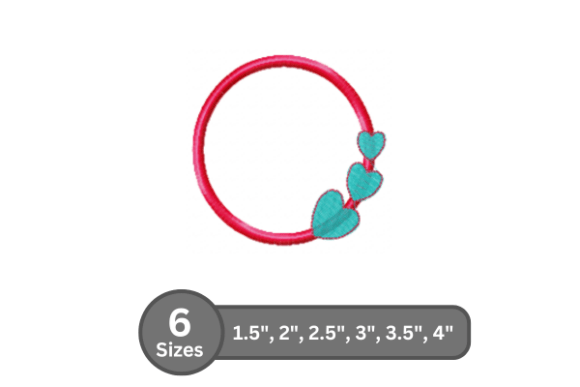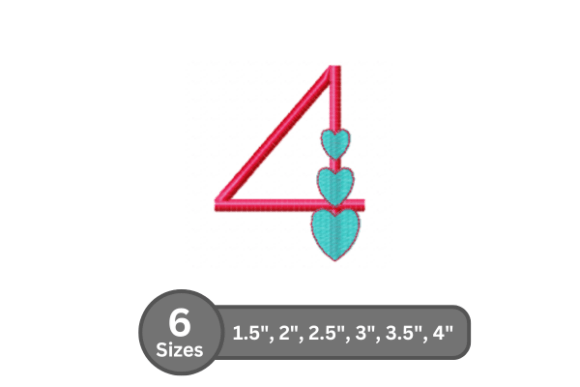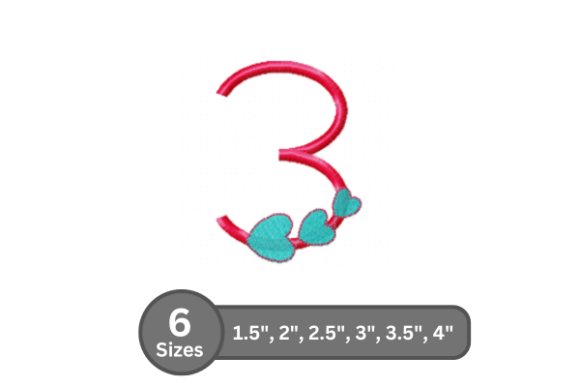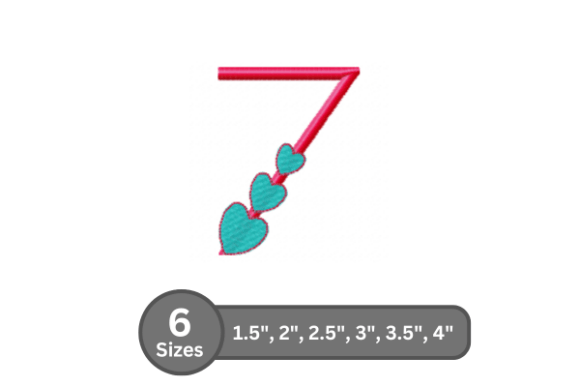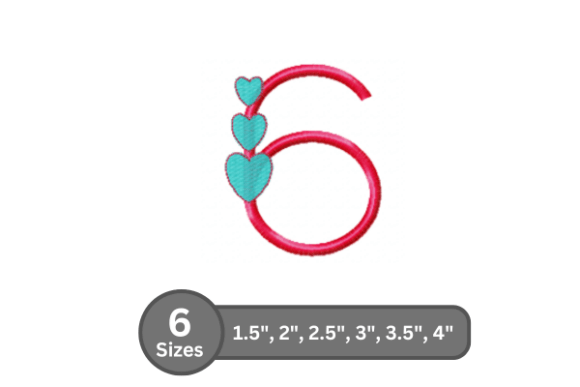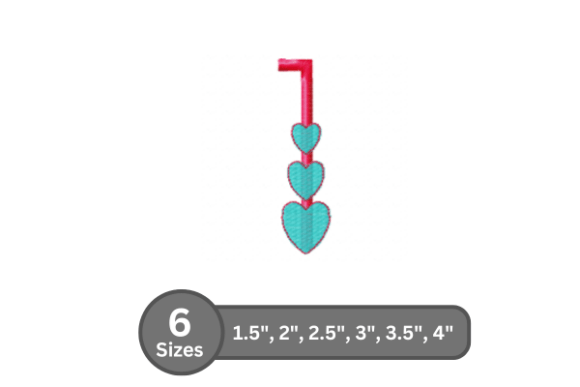
Candy Heart Number -1 Embroidery Review
As a designer who spends more time staring at stitch density charts than sleeping, I approach every new digitized font with a healthy dose of skepticism. We have all been burned by designs that look gorgeous on screen but turn into a tangled mess of thread on the hoop. That is why I decided to put Candy Heart Number -1 through its paces before recommending it for your next project. This isn't just another generic script; it is a fill stitch embroidery font that claims to offer smooth stitching and professional results. But does it hold up when you are trying to sell a finished product or create a heartfelt personalized gift? Let’s dig into the practical reality of using this design.
First Impressions: The Mood and Visual Personality
The moment you load the embroidery file into your software, the personality of Candy Heart Number -1 shines through. It immediately evokes a sense of nostalgia, reminiscent of those classic conversation hearts from Valentine’s Day. However, unlike some overly ornate scripts that feel cluttered, this design has a clean, modern edge. The shapes are rounded and inviting, creating a mood that is playful yet polished. For designers looking to add a touch of whimsy without sacrificing readability, this is a strong contender.
The visual appeal lies in its balance. It feels like a perfect fit for a boutique branding project where you want the customer to feel a sense of joy and warmth. Whether you are designing for a school event, a baby shower, or a holiday market stall, the aesthetic is versatile enough to bridge the gap between cute and chic. It doesn’t scream "cheap craft"; it whispers "thoughtful handmade item." This distinction is crucial when you are trying to build trust with buyers on platforms like Etsy or at local craft fairs.
Real-World Performance: From Screen to Stitch
I took Candy Heart Number -1 out of the digital realm and stitched it onto several different materials to see how it truly performs. My first test was on a standard cotton canvas tote bag. The fill stitch held up beautifully, creating a solid block of color that felt substantial and durable. Because it is designed for smooth stitching, the needle penetration was consistent, reducing the risk of puckering—a common nightmare for anyone working with larger text areas.
Next, I moved to a softer fabric: a lightweight jersey for a custom sweatshirt. Here, the importance of using the right stabilizer became apparent. With proper tear-away backing, the design maintained its shape without distorting the stretchy fabric. The edges remained crisp, which is vital for legibility. If you are an Etsy seller specializing in custom apparel, knowing that this design can handle the transition from structured canvas to soft knit is a significant value add. It expands your potential product line from bags to hats, aprons, and even nursery decor items like crib sheets or wall hangings.
I also tested it as an embroidered patch for denim jackets. The dense nature of the fill stitch provided excellent coverage over the underlying fabric, ensuring no background showed through. This makes it a reliable choice for commercial embroidery projects where durability is key. Customers expect their patches and logos to survive multiple washes, and the structural integrity of this design suggests it will stand the test of time.
Where to Exercise Caution
No design is perfect for every situation, and being honest about limitations is part of being a responsible reviewer. While Candy Heart Number -1 is robust, there are scenarios where it might struggle. First, avoid using it on extremely small hoop sizes. The intricate curves of the candy heart theme require enough space to breathe; cramming it into a tiny area can result in lost details and thread breaks.
Texture is another factor. If you are stitching on heavily textured fabrics like thick wool or boucle, the fine details of the fill stitch may get lost. Similarly, thin or sheer fabrics can be problematic if not backed correctly. The weight of the thread might cause the fabric to pucker or distort. In these cases, a heavy-duty stabilizer is non-negotiable. Additionally, while the design works well on light backgrounds, contrast is king. On dark fabrics, ensure you choose bright, high-contrast thread colors. A pastel thread on navy blue might look muddy rather than vibrant, affecting the overall professionalism of the finished product.
Practical Designer Notes for Success
- Test Before You Sell: Always run a test stitch on scrap fabric that matches your final material. Check for tension issues, thread breaks, or alignment problems.
- Check Stitch Density: Ensure the density is appropriate for the fabric type. Too dense on light fabric causes stiffness; too sparse on dark fabric shows the base material.
- Color Contrast Matters: View your design in black and white mockups to verify legibility. High contrast ensures the text pops, regardless of the thread color palette.
- Stabilizer Selection: Use the correct stabilizer (cut-away for stretchy fabrics, tear-away for wovens) to prevent distortion during and after stitching.
- Licensing Verification: Before selling any handmade product featuring this design, confirm the licensing terms. Some digital files allow commercial use, while others are restricted to personal gifts only.
Impact on Product Value and Branding
Using a well-digitized design like Candy Heart Number -1 directly impacts how customers perceive your brand. When a buyer receives a personalized gift with clean, professional stitching, it signals quality and care. It elevates the perceived value of the item, allowing you to price your goods with confidence. In the crowded market of craft business items, attention to detail is what sets successful shops apart.
This design is particularly effective for seasonal campaigns. Imagine a collection of holiday embroidery items—kitchen towels, pillow covers, or decorative banners—featuring this sweet, nostalgic font. It taps into emotional triggers that drive engagement and sales. For schools and community groups, it offers a charming way to personalize team jerseys, spirit wear, or event merchandise, fostering a sense of belonging among participants.
Final Verdict
Candy Heart Number -1 is a standout addition to any embroiderer’s library. Its blend of nostalgic charm and technical reliability makes it suitable for a wide range of applications, from small shop products to large-scale commercial embroidery jobs. It performs well on various fabrics, holds up to washing, and delivers a polished look that customers love. Just remember to respect its limitations regarding size and fabric texture, and always prioritize proper stabilization and testing. If you are looking to add a touch of sweetness and professionalism to your next project, this design is definitely worth the investment. Happy stitching!