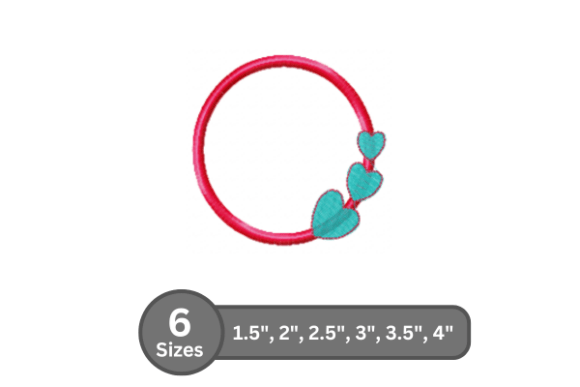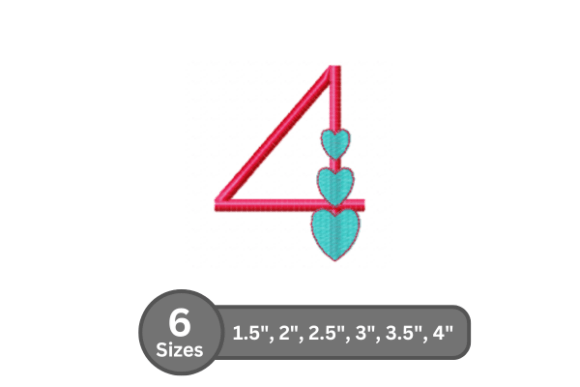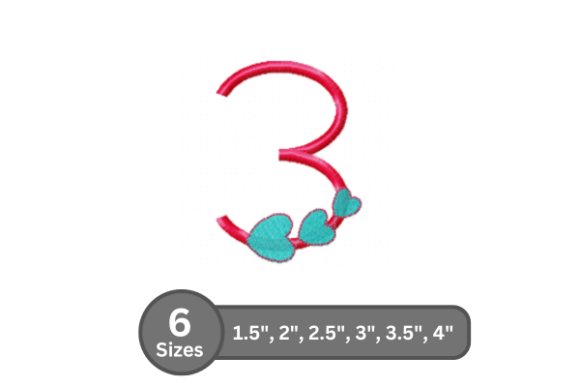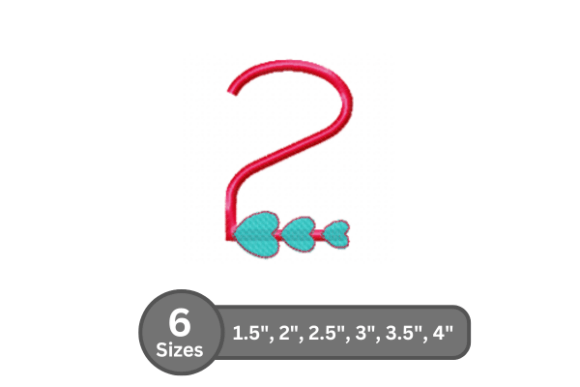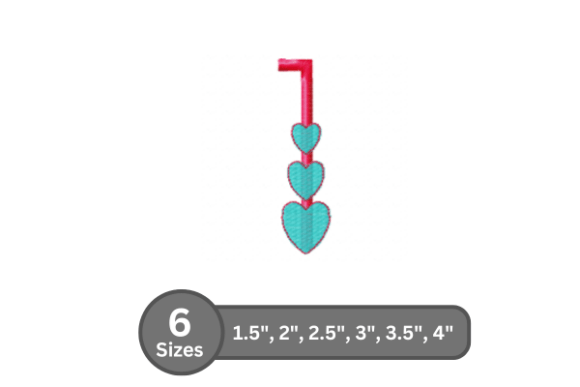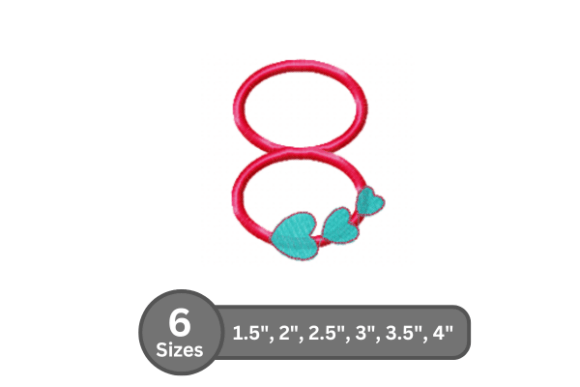
Candy Heart Number -8 Review
As an embroidery designer who has digitized thousands of files for clients ranging from local bakeries to national apparel brands, I know that the difference between a good product and a great one often comes down to the smallest details. When evaluating a digital embroidery file for commercial use, I look beyond just aesthetics. I assess stitch density, thread contrast, scalability, and how well the design translates across different fabric textures. Today, I am reviewing the Candy Heart Number -8, a fill stitch font described as being carefully digitized for smooth stitching and professional results. This review focuses on its viability for small business merchandise, branded patches, uniforms, and custom apparel.
First Impressions: Visual Personality and Brand Fit
The name "Candy Heart Number -8" immediately suggests a specific visual personality. It evokes feelings of nostalgia, playfulness, and approachability. Unlike stark, corporate sans-serif fonts or overly ornate script designs, this font likely sits in a sweet spot of modern classic charm. For a small business owner, this is crucial. The design feels friendly yet structured enough to maintain professionalism. It strikes a balance between handmade product authenticity and machine-made precision.
In terms of brand identity, this type of typography works exceptionally well for businesses that want to appear accessible and warm. Think of a boutique bakery, a handmade candle shop, a florist, or a creative studio. It does not scream "loud marketing"; instead, it whispers "quality care." This subtlety can enhance customer trust and recognition, as the logo or accent mark feels like part of the brand story rather than just a label. However, if your brand is strictly minimalist, industrial, or high-end luxury, you may find this font too decorative for your core identity.
Real-World Application for Small Business Merch
One of the most common questions I receive from Etsy sellers and merch creators is: "Where should I put this?" Based on the description that this font is perfect for personalizing clothing, bags, and towels, here is how I see Candy Heart Number -8 performing in real business scenarios.
- Embroidered Patches: This is perhaps the strongest use case. A well-digitized fill stitch font creates a solid, durable surface when embroidered onto twill or felt patches. These patches can be sewn onto denim jackets, backpacks, or aprons. The "Candy Heart" aesthetic lends itself beautifully to retro-style branding, making it ideal for craft fair vendors looking to create collectible items.
- Apron Embroidery: For cafes, bakeries, or cooking classes, staff uniforms are a walking billboard. Using this font for names or titles on chest pockets adds a touch of personality without compromising readability. It helps humanize the service, making customers feel more connected to the staff.
- Tote Bag Design: Canvas totes are a staple for handmade brands. Because this is a fill stitch design, it will have a nice texture against the woven canvas. It works well as a standalone graphic element on the front center or as a subtle detail near the handle attachment points.
- Cap Embroidery: Curved surfaces present challenges for many fonts. However, since this is described as being digitized for smooth stitching, it likely handles curvature well. It can serve as a unique accent on the side or back of a cap, distinguishing your branded headwear from generic stock items.
- Product Packaging Accents: Don’t limit yourself to wearable goods. If you sell physical products, consider adding a small embroidered patch with this font to hang tags or gift boxes. It elevates the unboxing experience, signaling to the buyer that attention was paid to every detail.
Strategic Considerations and Potential Pitfalls
While the potential is high, no design is perfect for every application. As a designer, I must advise caution in several areas where Candy Heart Number -8 might struggle.
Small Patch Sizes and Tiny Lettering: Fill stitches require a certain amount of space to breathe. If you attempt to reduce this design to a very small size (under 1 inch in height), the threads may crowd each other, leading to puckering or loss of definition. Always test the design at its intended final size before committing to production. If the letters become illegible blobs, the design fails its primary purpose.
High Stitch Density and Fabric Texture: Fill stitches generally have higher stitch counts than satin stitches. On delicate fabrics like thin silks or loose-weave linens, this weight can cause distortion. Conversely, on heavy denim or thick fleece, the design might get lost if the thread colors lack sufficient contrast. You must inspect spacing and confirm hoop size compatibility to ensure the fabric lies flat during stitching.
Dark Uniforms and Thread Contrast: Readability is king. If you are embroidering light-colored thread on dark uniforms, ensure the stitch density is high enough to prevent the underlying fabric color from showing through. Poor contrast can make even a beautiful font look amateurish. Always check thread color contrast against your actual garment materials.
Items That Need Frequent Washing: While embroidery is durable, fill stitches can snag if not finished properly. For items like work shirts or frequently washed aprons, ensure the backing stabilizer is removed completely after stitching to prevent stiffness and cracking over time. This affects the longevity of the finished product.
Impact on Brand Identity and Customer Trust
Investing in quality embroidery is an investment in your brand’s perceived value. A poorly executed logo can make a business look temporary or cheap. In contrast, a clean, professionally digitized font like Candy Heart Number -8 signals stability and care. When customers see consistent visual presentation across small business merch items—such as matching tote bags, hats, and tags—it reinforces brand recognition.
This consistency builds buyer engagement. People are more likely to share photos of their purchases on social media if the item looks polished. A well-executed embroidered piece becomes a conversation starter, effectively turning your customers into brand ambassadors. Furthermore, using a dedicated embroidery file rather than printed heat transfers shows a commitment to quality that discerning buyers appreciate.
Practical Designer Notes for Production
Before you send this file to production, follow these essential steps to ensure success:
- Test in Black and White: Convert your design to monochrome first. This helps you evaluate the shape and spacing without the distraction of color choices.
- Create a Printable Mockup: Before cutting fabric, place the digital asset on a mockup of your actual product. This allows for client approval and helps visualize scale.
- Inspect Spacing and Hoop Size: Verify that the design fits within your machine’s hoop limits and that the letter spacing (kerning) remains clear at the desired output size.
- Use Proper Stabilizer: The choice of stabilizer (cut-away vs. tear-away) depends heavily on the fabric texture. Incorrect stabilization leads to puckering, which ruins the professional look of fill stitches.
- Confirm Commercial Licensing: Ensure you have the right to use this design asset for commercial resale. Many digital files come with specific restrictions that could impact your profit margins or legal standing.
- Compare Beside Other Assets: See how this font pairs with your existing logos or patterns. Does it complement your overall brand identity, or does it clash?
In conclusion, Candy Heart Number -8 appears to be a versatile and charming option for businesses looking to add a touch of warmth and professionalism to their merchandise. Its focus on smooth stitching makes it a strong candidate for durable items like patches and aprons. By following proper digitization testing protocols and considering fabric constraints, small business owners can leverage this design to enhance their product value and strengthen their market presence. Just remember to verify specific technical details like stitch count and file format with your digitizer or supplier before mass production.